1.What is Light Pipe?
Optical light pipe lens lighting systems, also known as daylighting, natural light illumination, or electricity-free lighting, enable buildings equipped with such systems to utilise natural light for indoor illumination during daylight hours.
Operating Principle
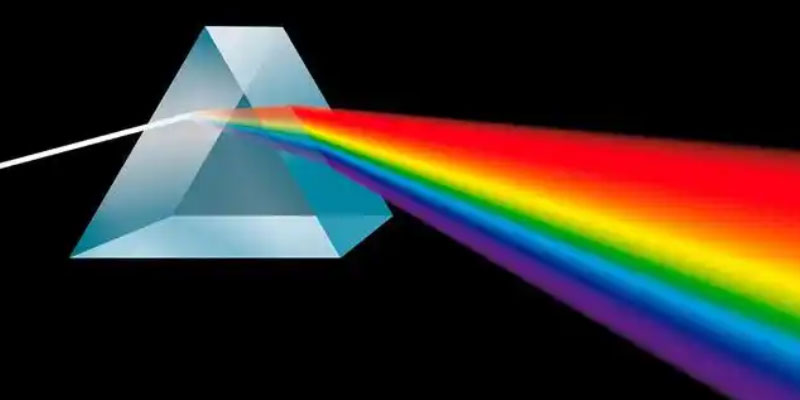
Natural daylight is gathered via a light-collecting device and channelled into the system. Within specially engineered light-guiding components, the light undergoes multiple reflections that alter its propagation direction. This light is then reflected towards a diffuser at the system’s base. The diffuser uniformly distributes the natural light throughout any required areas within the interior space.
System Structure
The light pipe primarily comprises three components: the light-collecting device, the light-guiding device, and the light-diffusing device.
A: Natural light is captured and collected via the light-collecting dome.
B: Natural light is transmitted through the light pipe.
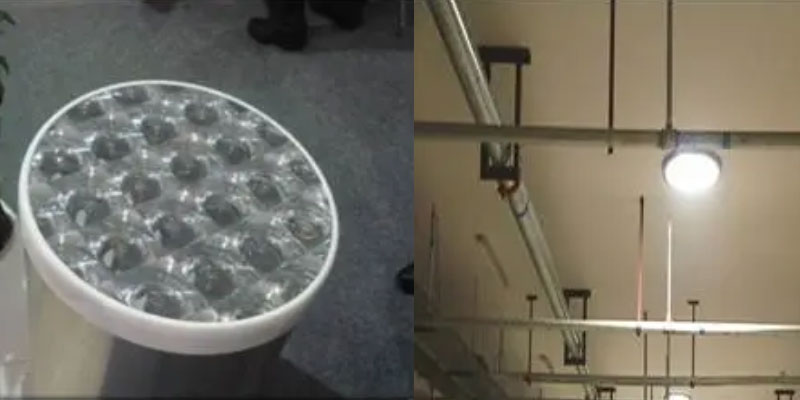
C: Natural light is dispersed throughout the interior via the light-diffusing device.

2.Lighting device
Skylights are typically transparent glass domes positioned on rooftops or the side surfaces of external walls.
By shape, they are categorised as: hemispherical; crystal-diamond shaped; flat-panel.
3.Light Guide Assembly
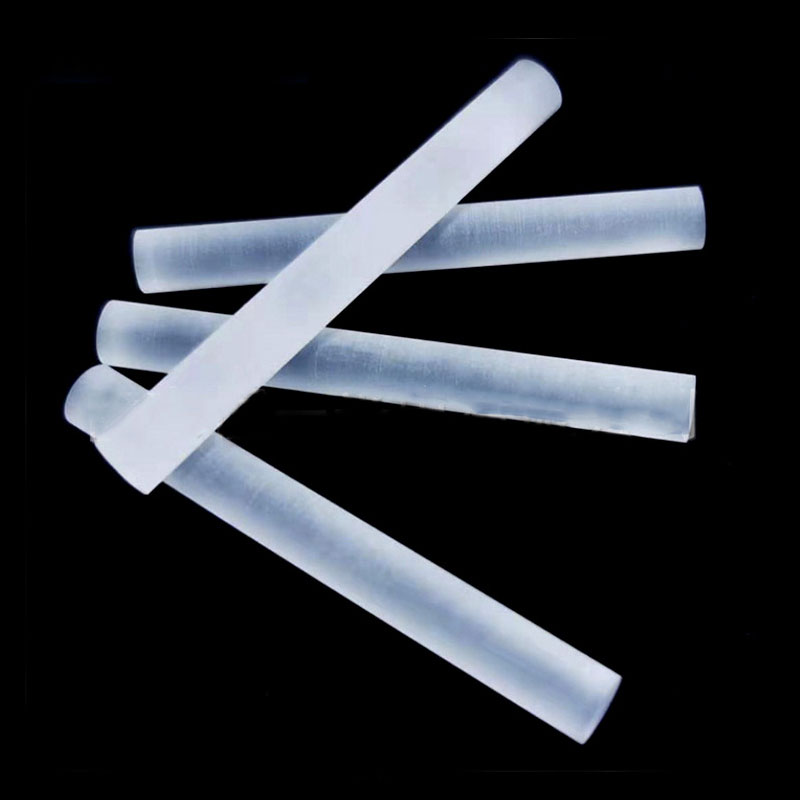
The light guide assembly comprises a light pipe whose walls are constructed from reflective material with a reflectivity exceeding 95%. Certain light pipes can be rotated and bent to alter the light-guiding angle and length.
4.Diffusion Device
The diffusion device is installed at the base of the system. It serves to scatter light transmitted through the light guide, thereby providing uniform illumination within the room while simultaneously preventing glare.
5.Light Pipe Pros and Cons
Pros
- Energy efficiency: As it relies entirely on natural light, no artificial energy sources are consumed; compared to other artificial lighting methods, the thermal load introduced by light pipe systems is minimal.
- Health: Natural light illumination offers superior visual effects and psychological benefits, while also eliminating indoor mould, inhibiting microbial growth, promoting the synthesis and absorption of nutrients within the body, and enhancing the living environment.
- Low Investment, High Returns: The light pipe system represents a one-off investment from installation onwards, requiring no maintenance and boasting a long service life exceeding 30 years under normal conditions. Its high utilisation efficiency effectively compensates for the shortcomings of artificial lighting.
Cons
- The light pipe system utilises sunlight as its light source, rendering its energy collection susceptible to climatic influences. For most regions in China, summer months offer ample sunshine, resulting in higher light transmission rates for light pipes. However, during other seasons, the efficiency of light pipes diminishes considerably. Weather impacts are particularly pronounced: on overcast or rainy days, light transmission rates become extremely low, necessitating reliance on electric lighting or supplementary photovoltaic systems.
- Variations in solar irradiance across regions, seasons, and times of day create inconsistencies in light pipe performance, resulting in fluctuating indoor brightness levels. Consequently, supplementary devices to regulate light flux are required.
- Installation considerations. As light pipes must be integrated into building structures like other conduits, two factors warrant attention: Firstly, whether sufficient installation space for light pipes is factored into the architectural design. Secondly, as most contemporary light pipe systems are ceiling-mounted, installation is relatively straightforward for top-floor units in high-rise buildings, yet considerably inconvenient for lower-level occupants. This is particularly problematic given that modern buildings lack dedicated light pipe conduits, unlike readily accessible water mains. Lower-level users require extensive pipework, creating installation difficulties that hinder the adoption and widespread use of light pipes.
optlenses

Related Blogs